The Quiet Return of the Neighborhood Clinic: Why Smaller Is Getting Better

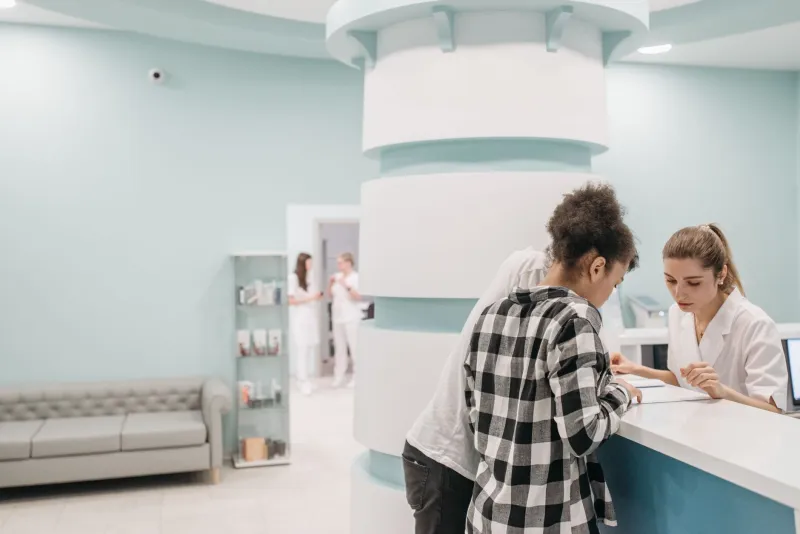
Photo: small community medical clinic exterior neighborhood street friendly, via i.ytimg.com
There is a quiet counter-trend unfolding in American healthcare, and it does not involve a new drug, an app, or a breakthrough device. It involves buildings with parking lots you can actually exit, front desks that know your name, and providers who remember what you said last time.
Community clinics and neighborhood polyclinics — practices that combine primary care with a range of everyday services under one roof — are enjoying a resurgence. The reasons say a great deal about what has gone wrong with the alternatives.
What Consolidation Has Cost Us
Over the past two decades, hospital systems across the United States have absorbed independent practices at a remarkable pace. The consequences have been studied extensively: consolidated markets tend to show higher prices for the same services, longer waits for appointments, and administrative burdens that grow rather than shrink. When a local practice becomes part of a regional system, the patient experience is often reorganized around the system's needs, not the patient's.
None of this is to suggest large systems are villains. They are indispensable for trauma care, complex surgery, and rare diseases. But somewhere along the way, routine healthcare — the physicals, the blood pressure checks, the flu shots that make up most of a lifetime's medical visits — got swept into a model built for the critically ill. The result is a twelve-minute appointment in a building with a parking garage fee.
The Case for the Comprehensive Neighborhood Clinic
Community-rooted practices offer something the mega-model struggles to replicate: proportionality. Their scale matches the needs of most patients on most days.
Continuity. In a smaller practice, you are far more likely to see the same provider, or a small team that communicates directly. Research consistently links continuity of care with fewer hospitalizations, better management of chronic conditions like diabetes and hypertension, and higher rates of preventive screening. When your provider knows you, subtle changes get noticed — the ten-pound weight loss you did not mention, the fatigue that has been building for months.
Lower overhead, lower bills. Large systems carry substantial administrative costs, and those costs flow into charges. Independent community clinics frequently publish transparent self-pay pricing and can offer cash rates that hospital-affiliated practices often cannot match. For the tens of millions of Americans who are uninsured, underinsured, or enrolled in high-deductible plans, this difference is not cosmetic. It is the difference between getting care and postponing it.
Comprehensive without the campus. The modern polyclinic model — primary care, vaccinations, chronic disease monitoring, minor procedures, and basic diagnostics under one roof — means fewer referrals, fewer trips, and fewer chances for records to fall through the cracks between departments.
Trust, measured. Patients consistently report higher satisfaction with smaller practices, and satisfaction is not a trivial metric. People who trust their providers are more likely to take medications as prescribed, show up for follow-ups, and disclose symptoms they might otherwise keep to themselves.
How to Find One Near You
If you are ready to explore a community practice, a few practical steps help:
- Search for independent or physician-owned primary care and family medicine practices in your ZIP code, and check reviews for mentions of wait times and staff turnover.
- Verify insurance acceptance directly with the clinic and your insurer.
- Ask whether the practice offers on-site services — labs, vaccinations, chronic care monitoring — so you can gauge how self-sufficient it really is.
- Ask about pricing transparency up front. A confident practice will answer easily.
Not a Rejection of Modern Medicine
Choosing a community clinic is not a retreat from modern healthcare. It is a return to a model that modern healthcare, at its best, has always aspired to: comprehensive, personal, and close to home. The neighborhood clinic did not disappear because it stopped working. It is coming back because patients remembered it worked.